THE FINAL WORD / EDITORIAL REVIEW
Katana ZERO
A sharp narrative fragment whose precise action makes the protagonist's uncertain understanding of events more troubling.
Game facts
- Developer
- Askiisoft
- Publisher
- Devolver Digital
- Released
- 18 April 2019
- Platforms
- Windows · macOS (Steam edition)
- Model
- Paid game
- PEGI
- 16 — Nintendo Switch download edition edition; not a separate PC classification
- Players
- Single-player
- Length
- Short
- Difficulty
- 4 / 5 · Demanding
- Steam Deck
- Verified
PEGI source ↗ · Steam Deck status source ↗
Edition: Base game
The score, explained
The interest and responsiveness of the core decisions and actions.
How progression, exploration and goals fit together.
The coherence of the visual, musical and narrative presentation.
How clearly the game explains its rules and offers useful ways to engage.
The depth of optional goals, alternative approaches and reasons to return.
The action arrives as a troubling account
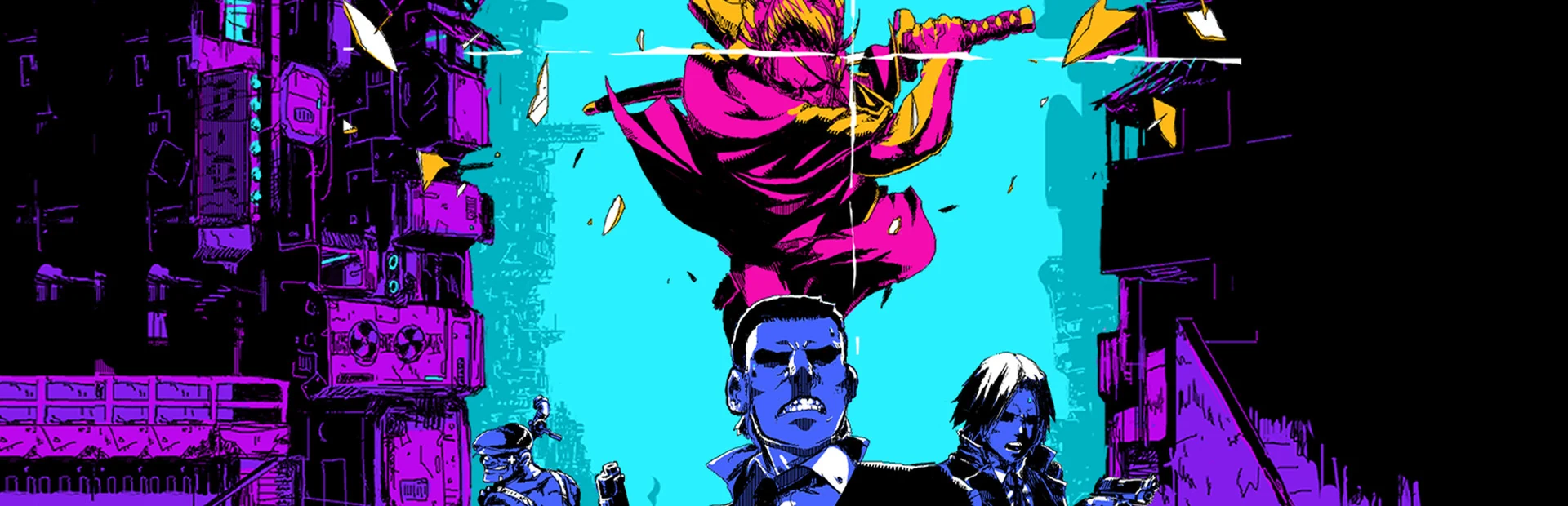
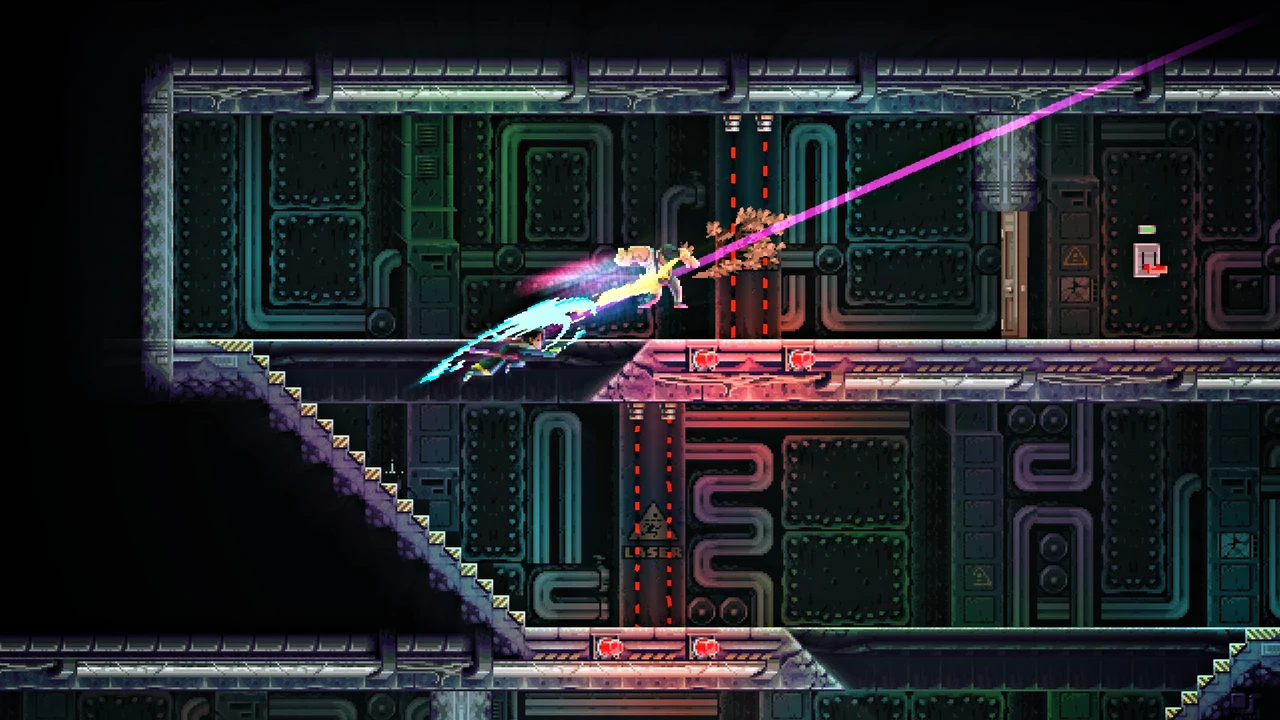
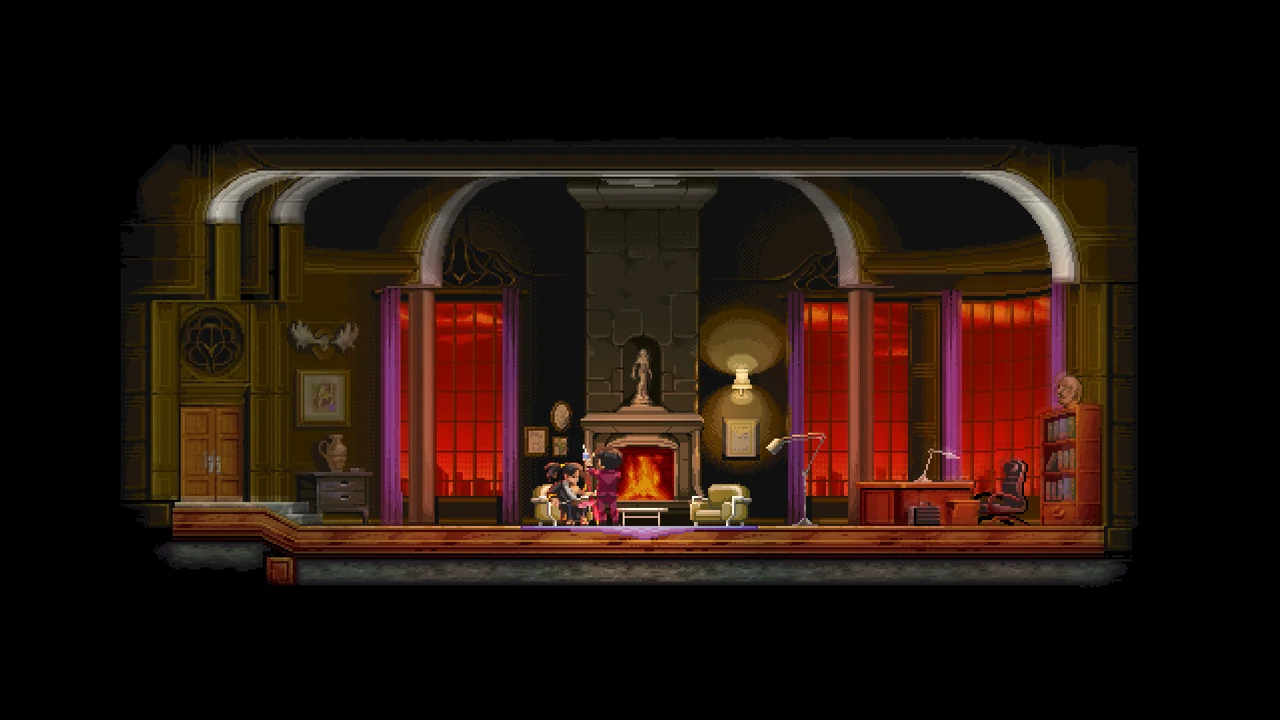
Katana ZERO presents its violent assignments through a protagonist whose understanding of events is far from secure. The immediate task may be to cross a room and eliminate a target, but the surrounding conversations and fragmented memories make that clarity increasingly suspect. Encounters with the therapist give the action an uneasy frame, suggesting that the person directing or interpreting events may not be a trustworthy guide. The game's striking side-on presentation helps maintain that uncertainty without requiring lengthy exposition. For Story Path Catalog, the appeal is the contrast between precise physical action and unstable personal knowledge. The player can become confident about how to solve a dangerous room while remaining unsure what the protagonist's apparent success actually means in the wider story.
Dialogue has its own kind of timing
Conversations in Katana ZERO use timing and interruption to make speaking feel active. Choosing when to respond can affect the tone of an exchange, giving impatience or restraint a presence beyond the wording of an answer. That suits a protagonist whose circumstances encourage mistrust and impulsive action. The combat's repeated attempts also contribute to the narrative texture, linking the experience of revising a room to the game's questions about perception and control. Music, colour and the transition between public spaces and private conversations create a strong emotional rhythm. The story is most effective when those elements work together, allowing a brief exchange after an intense mission to feel more revealing than a large explanation of the setting would have been.
A sharp fragment rather than a settled account
The story's mysteries are part of its appeal, but players should not expect every question to receive a comfortable, self-contained resolution. Its violence and disturbing implications also remain central, even when the visual style is colourful or playful. Mechanically, the game demands repeated attempts at precise action sequences, so a reader interested in the narrative must be willing to participate in that process. The rapid shifts between confidence and uncertainty can be exciting, yet they leave less room for the leisurely relationship building offered by larger RPGs. Katana ZERO is strongest as a concentrated, uneasy experience. Anyone seeking a gentle character study or a fully explained world may find its sharpness and unresolved tensions more frustrating than intriguing.
For a story carried by pace and perception
Choose Katana ZERO when you want the form of an action game to contribute directly to its mystery. The rooms, retries and abrupt conversations create a particular relationship to the protagonist: capable in motion, uncertain in memory and rarely comfortable in the spaces between assignments. Its narrative is economical enough that small details deserve attention, especially when a familiar account begins to look less reliable. This makes it a good fit for players who enjoy interpreting an experience after the immediate action has ended. It is a weaker fit for someone who wants extensive choice over the plot or a reassuring final explanation. The memorable quality is the tension between executing a plan perfectly and wondering who supplied the plan, and why.
The verdict
A sharp narrative fragment whose precise action makes the protagonist's uncertain understanding of events more troubling.
Reasons to play
- Dialogue timing gives exchanges personality
- Retries connect action to perception
- Music and colour reinforce the unease
Reasons to think twice
- Important questions remain unsettled
- Precision combat is required to follow the story
See the game
Assist & accessibility
Explore the available settings and control options on the official game page before choosing your setup.
Parents’ guide
Players: Single-player. No in-game purchase marker in the checked Steam listing. Separate downloadable content may be sold.
Age classification: 16. Nintendo Switch download edition edition; not a separate PC classification
A useful starting tip
Plan the order of threats before entering a room, then revise one part of the sequence when an attempt reveals a better opening.
A different direction
Compare this with DREDGE: A persuasive maritime mystery that lets work, isolation and the temptation to stay out longer generate its unease.
Official sources
Reviewed: November 2026
You might also like
 Baldur's Gate 3Read review →
 Clair Obscur: Expedition 33Read review →
 HadesRead review →