THE FINAL WORD / EDITORIAL REVIEW
Baldur's Gate 3
A vast adventure made personal by companions whose disagreements give the party's journey character and consequence.
Game facts
- Developer
- Larian Studios
- Publisher
- Larian Studios
- Released
- 3 August 2023
- Platforms
- Windows · macOS (Steam edition)
- Model
- Paid game
- PEGI
- 18 · Violence, Bad Language, Sex — Steam UK listing
- Players
- Single-player · Multi-player · Co-op · Online Co-op
- Length
- Epic
- Difficulty
- 3 / 5 · Moderate challenge
- Steam Deck
- Verified
PEGI source ↗ · Steam Deck status source ↗
Edition: Base game
The score, explained
The interest and responsiveness of the core decisions and actions.
How progression, exploration and goals fit together.
The coherence of the visual, musical and narrative presentation.
How clearly the game explains its rules and offers useful ways to engage.
The depth of optional goals, alternative approaches and reasons to return.
A shared danger creates an uneasy company
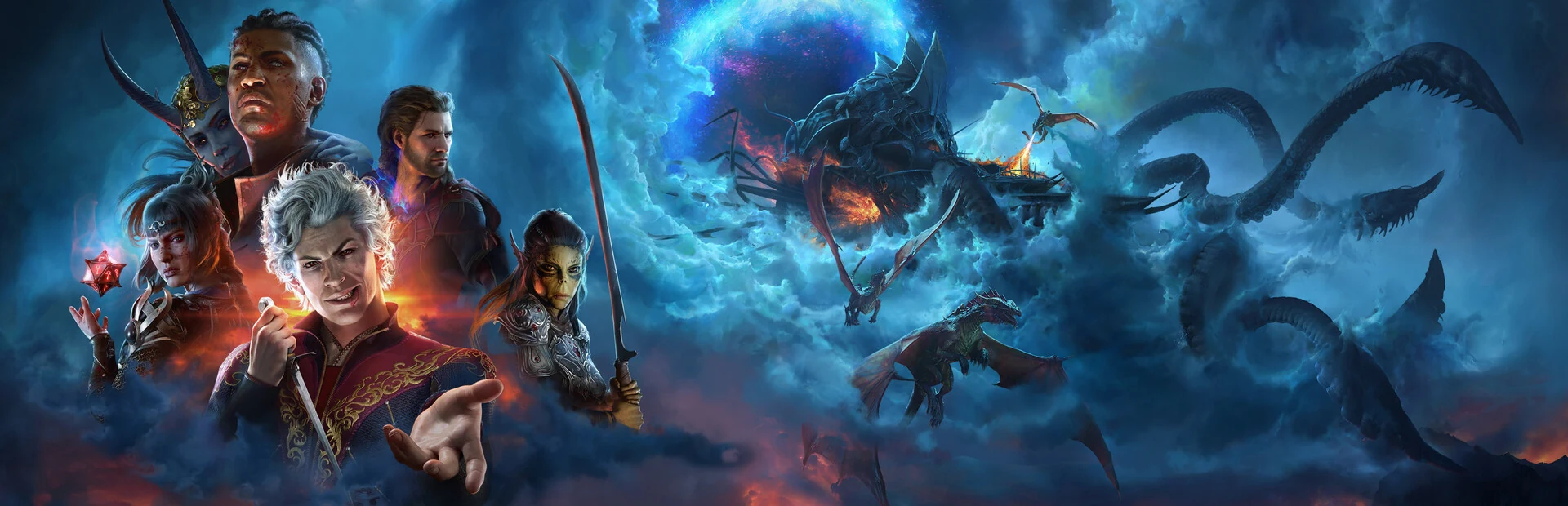
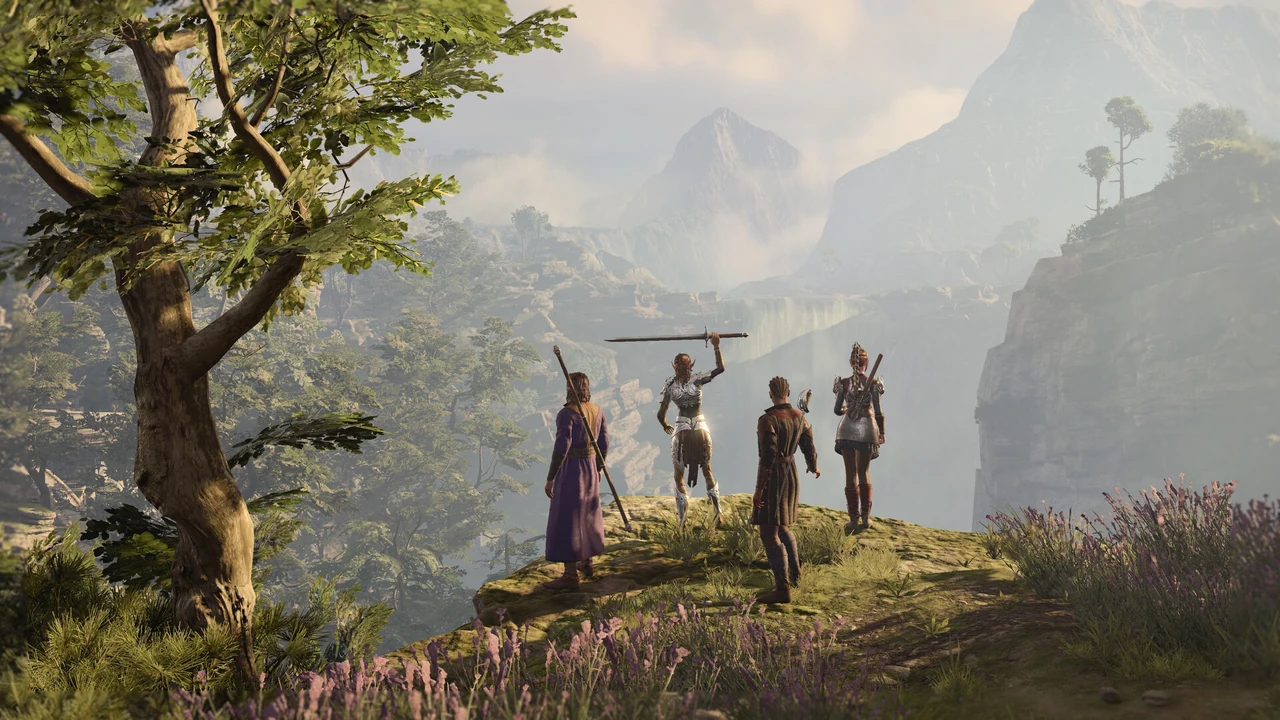
Baldur's Gate 3 begins by placing strangers under the same frightening pressure, then asks whether that common problem is enough to make them trust one another. The parasite premise gives the journey urgency, but the people met along the way repeatedly complicate the idea of a simple cure. Around the druid grove, seemingly local disputes introduce competing loyalties and consequences that extend beyond one conversation. The strongest opening quality is how much character emerges from disagreement. Companions are not merely different voices praising the same decisions; their priorities can make a reasonable choice uncomfortable. For Story Path Catalog, that friction is the reason to begin. The adventure becomes interesting when solving the immediate problem also reveals something about the company you are choosing to keep.
Conversation has more than one kind of consequence
Dialogue works because the game connects words to identity and action. A character's background, abilities and earlier decisions can change what is possible in a conversation, while a failed check may lead to another situation rather than simply ending the scene. Camp conversations give companions room to respond to events away from immediate danger. This creates a useful contrast between public decisions and private relationships. A party member who helped win a battle can still question the reason for fighting it. The story therefore develops through the arrangement of people as much as through the route across the map. You are deciding not only what happens next, but whose account of the journey you want to hear and which disagreements you are prepared to live with.
The breadth can interrupt a personal thread
The large number of quests and systems sometimes makes it difficult to keep a particular character's concern in focus. A compelling conversation can be followed by inventory work, exploration or a demanding fight before its emotional implications return. Players who want the momentum of a tightly edited drama may find that freedom diffuse. The same flexibility also makes it tempting to reload every uncomfortable result, which can weaken the sense of owning a decision. Baldur's Gate 3 is more rewarding when uncertainty is allowed to remain part of the story. That does not mean every consequence will feel fair or immediately clear. It means the game asks you to value a journey shaped by your group's imperfect decisions rather than a route that collects every desirable outcome.
Stay for the people who challenge the plan
The best reason to choose Baldur's Gate 3 for its story is the relationship between a large adventure and a surprisingly personal party. Different companions make different parts of the world feel important, and their responses can change how a familiar dilemma is understood. The tactical battles provide substantial interruptions, so this is a recommendation for readers who want to participate in the journey through combat as well as conversation. It is less suitable for someone seeking an almost uninterrupted narrative. Within this catalogue, it offers unusually broad authorship over the company and direction of a campaign. The memorable question is not simply whether the group reaches its destination, but what kind of group survives the arguments and compromises required to get there.
The verdict
A vast adventure made personal by companions whose disagreements give the party's journey character and consequence.
Reasons to play
- Companions bring conflicting priorities
- Camp conversations deepen public decisions
- Dialogue connects identity to action
Reasons to think twice
- Systems can interrupt a compelling personal thread
- Breadth can dilute narrative urgency
See the game
Assist & accessibility
Parents’ guide
Players: Single-player · Multi-player · Co-op · Online Co-op. No in-game purchase marker in the checked Steam listing. Separate downloadable content may be sold.
Age classification: 18. Violence · Bad Language · Sex Steam UK listing
A useful starting tip
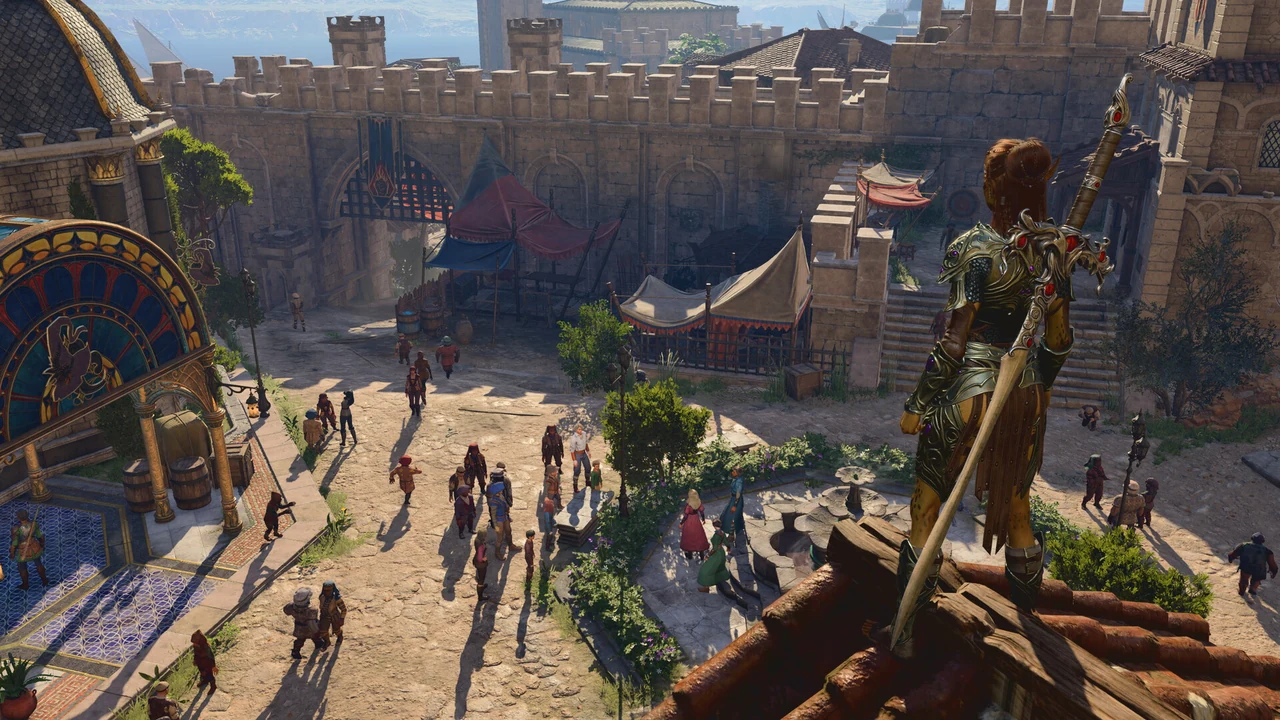
Before an encounter, check where each companion is standing and identify one useful job for each of them.
A different direction
Compare this with Persona 5 Royal: A stylish social RPG whose daily routines give its larger confrontations a convincing sense of shared life.
Official sources
Reviewed: November 2026
You might also like
 Clair Obscur: Expedition 33Read review →
 HadesRead review →
 Persona 5 RoyalRead review →