
THE FINAL WORD / EDITORIAL REVIEW
Persona 5 Royal
A stylish social RPG whose daily routines give its larger confrontations a convincing sense of shared life.
Game facts
- Developer
- ATLUS
- Publisher
- SEGA
- Released
- 20 October 2022
- Platforms
- Windows (Steam edition)
- Model
- Paid game
- PEGI
- 16 · Violence, Bad Language — Steam UK listing
- Players
- Single-player
- Length
- Epic
- Difficulty
- 2 / 5 · Approachable
- Steam Deck
- Verified
PEGI source ↗ · Steam Deck status source ↗
Edition: Base game
The score, explained
The interest and responsiveness of the core decisions and actions.
How progression, exploration and goals fit together.
The coherence of the visual, musical and narrative presentation.
How clearly the game explains its rules and offers useful ways to engage.
The depth of optional goals, alternative approaches and reasons to return.
Ordinary days make the extraordinary matter
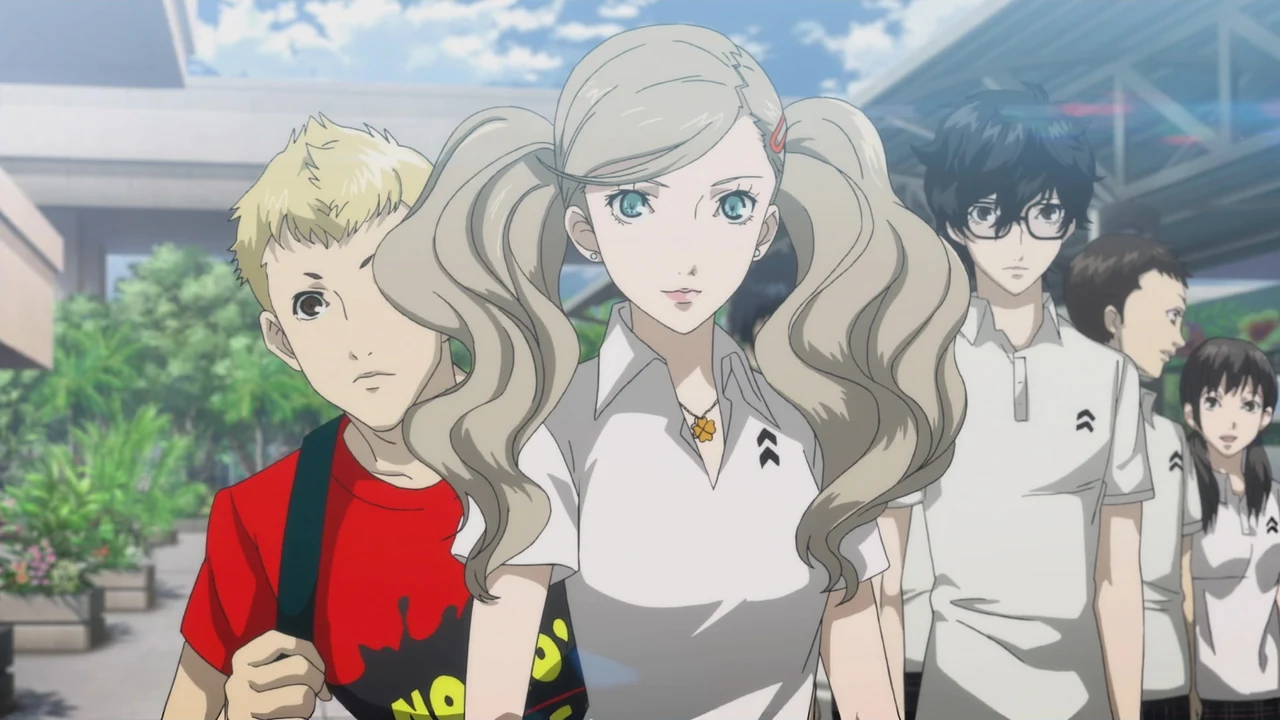
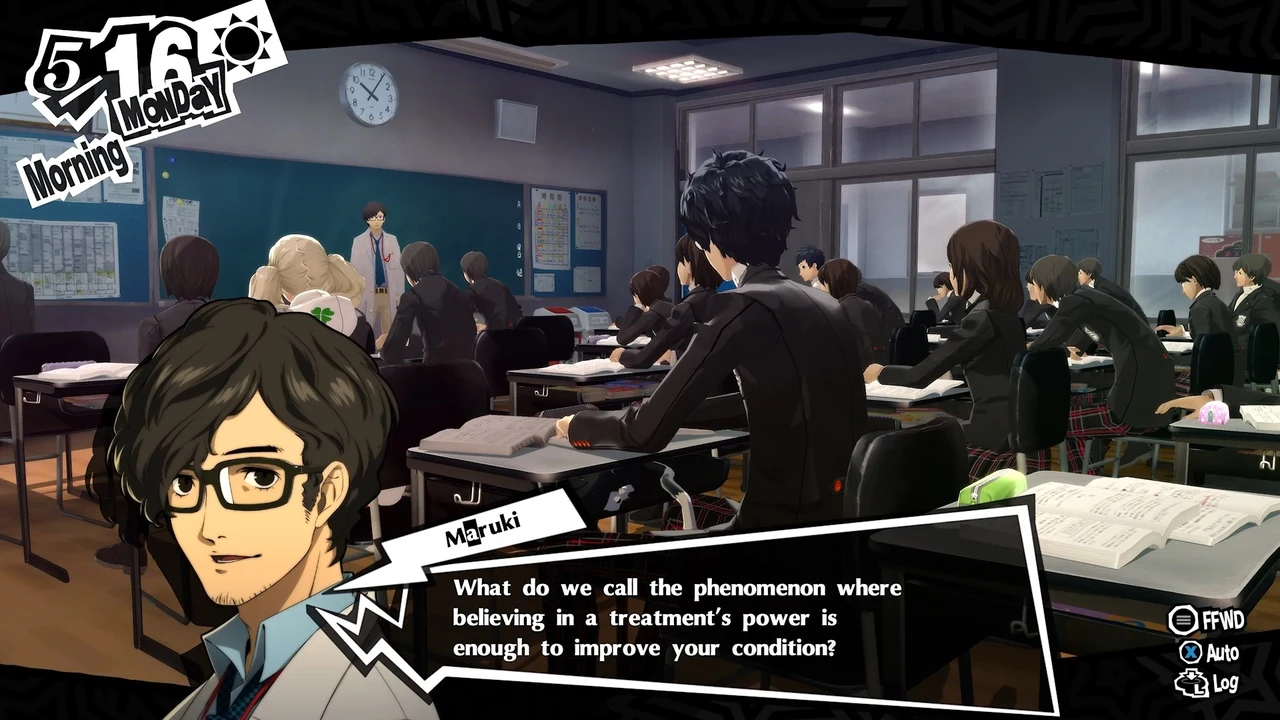
Persona 5 Royal builds its story through a double life. The protagonist attends school, manages relationships and finds a place in Tokyo while the Phantom Thieves confront distorted desires in the Metaverse. The contrast works because the ordinary routines give the larger conflicts personal consequences. A classroom conversation, a visit to a familiar shop or time spent with a confidant can make the city feel like more than a menu between dungeons. Early events establish how institutions and individuals can misuse power, giving the group's activities a moral purpose as well as a stylish identity. For a narrative catalogue, the appeal is the accumulation of daily familiarity. The world becomes meaningful partly because the player repeatedly returns to its ordinary places.
Time turns friendship into a deliberate choice
The calendar gives social decisions a practical shape. Spending an afternoon with one person means leaving another activity for later, so relationships develop through attention rather than through selecting every available conversation at once. Confidant abilities connect those choices to the wider game, while the Palaces translate an antagonist's outlook into a location to explore and confront. That relationship between social life and symbolic dungeon gives the story a recognisable structure. The party also grows through shared experiences, making battles part of a group identity that has been established outside combat. Royal's additional material extends those questions in its later stages. The game's best quality is how consistently it lets an everyday decision feel connected to the larger struggle the Phantom Thieves are pursuing.
The rhythm is expansive and sometimes repetitive
Persona 5 Royal is comfortable spending time on repeated explanations, travel routines and group reactions. That breadth helps establish a familiar social world, but it can also slow developments that a player already understands. Dungeons and turn-based battles remain substantial parts of the experience, so interest in the characters alone may not sustain someone who dislikes those systems. Calendar choices can create another kind of pressure if the player treats every day as an optimisation problem. A first run becomes less enjoyable when the fear of missing an event overwhelms curiosity about the people available now. The story works best when you accept some limits on attention. Its social structure is designed around choices, not around seeing every possible relationship develop equally at the same moment.
For readers who want to inhabit a routine
The strongest reason to choose Persona 5 Royal is the feeling of living alongside a cast over an extended period. Familiar stations, meeting places and conversations give dramatic events a social foundation. It is a good fit for players who enjoy character-driven adventures and are willing to let daily activity carry part of the narrative. The presentation is bold, and the combat gives the Phantom Thieves a distinct collective style. A shorter, more restrained story will suit readers who dislike recurring dialogue or a large schedule of activities. Within this collection, Royal offers a particularly full relationship between routine and spectacle. The dramatic moments have weight because the game has spent so much effort establishing what an ordinary day looks like for the people involved.
The verdict
A stylish social RPG whose daily routines give its larger confrontations a convincing sense of shared life.
Reasons to play
- Familiar Tokyo locations anchor the drama
- The calendar makes attention deliberate
- Confidants connect relationships to play
Reasons to think twice
- Repeated explanations slow some developments
- Optimising every day can undermine discovery
See the game
Assist & accessibility
Explore the available settings and control options on the official game page before choosing your setup.
Parents’ guide
Players: Single-player. No in-game purchase marker in the checked Steam listing. Separate downloadable content may be sold.
Age classification: 16. Violence · Bad Language Steam UK listing
A useful starting tip
Choose a small number of priorities for the calendar and allow yourself to enjoy the routine without consulting a perfect schedule.
A different direction
Compare this with Baldur's Gate 3: A vast adventure made personal by companions whose disagreements give the party's journey character and consequence.
Official sources
Reviewed: November 2026
You might also like
 Baldur's Gate 3Read review →
 Clair Obscur: Expedition 33Read review →
 HadesRead review →