THE FINAL WORD / EDITORIAL REVIEW
Hades
A remarkably effective character story built from returns, with a familiar household that keeps finding new things to say.
Game facts
- Developer
- Supergiant Games
- Publisher
- Supergiant Games
- Released
- 17 September 2020
- Platforms
- Windows · macOS (Steam edition)
- Model
- Paid game
- PEGI
- 12 — Nintendo Switch edition; not a separate PC classification
- Players
- Single-player
- Length
- Medium
- Difficulty
- 4 / 5 · Challenging
- Steam Deck
- Verified
PEGI source ↗ · Steam Deck status source ↗
Edition: Base game
The score, explained
The interest and responsiveness of the core decisions and actions.
How progression, exploration and goals fit together.
The coherence of the visual, musical and narrative presentation.
How clearly the game explains its rules and offers useful ways to engage.
The depth of optional goals, alternative approaches and reasons to return.
The escape matters because of the home
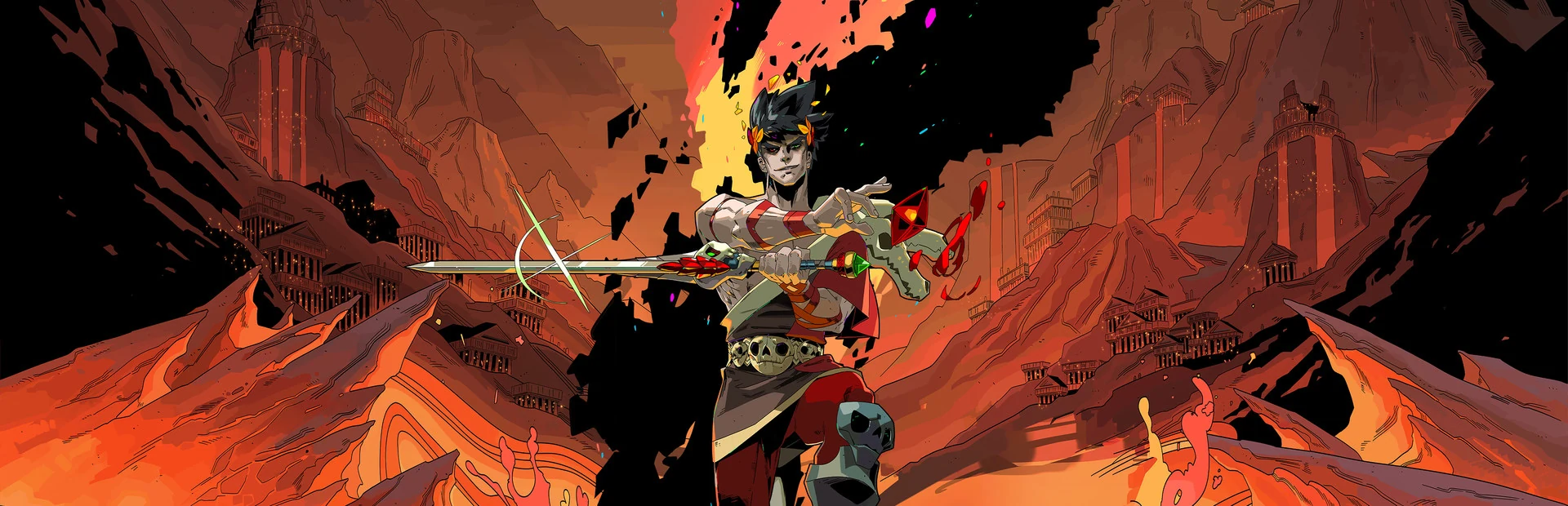
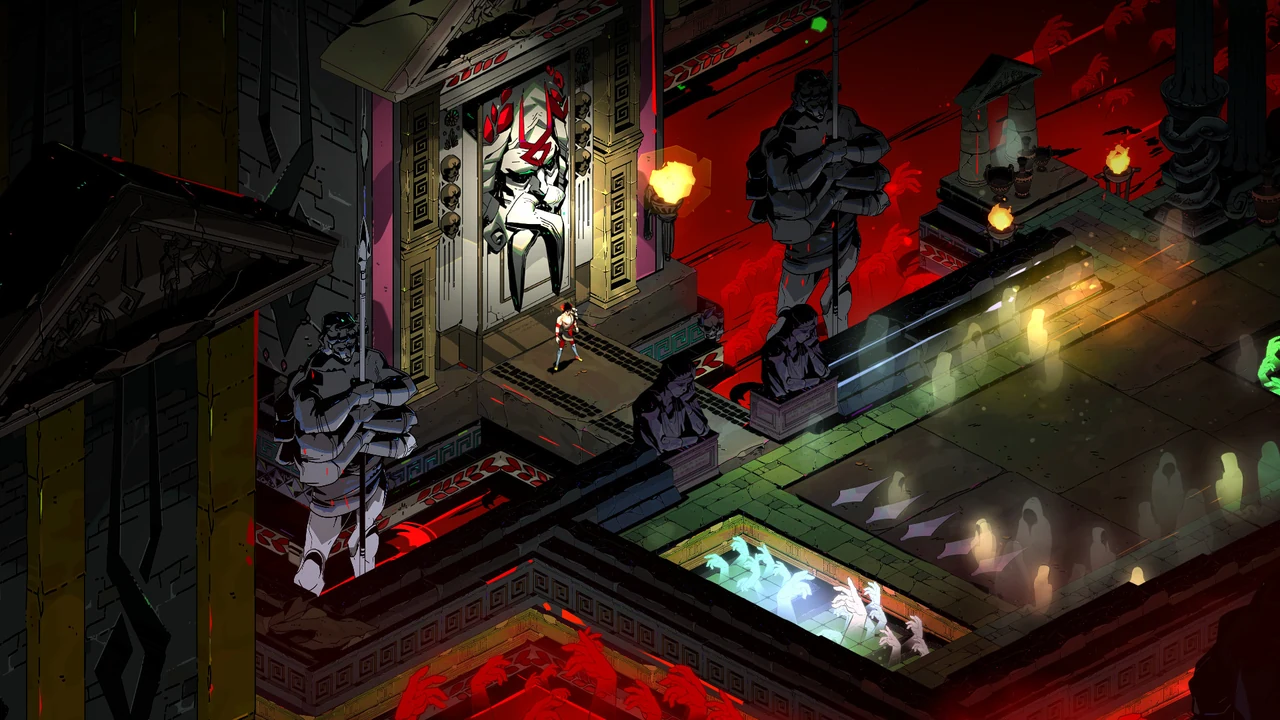
Hades gives Zagreus an obvious objective, but the House of Hades makes that objective emotionally complicated. The place he wants to leave is also where relationships, routines and unfinished conversations accumulate. Returning after a failed escape therefore changes the tone of defeat. A new exchange with Nyx, Achilles or another resident can make the home feel different even when the route out begins again in Tartarus. This is the game's strongest narrative decision: repetition does not freeze the people around it. For Story Path Catalog, the attraction is a family conflict that can develop through brief, frequent encounters. The story stays close to the rhythm of play, offering another reason to return without requiring a long interruption before the next attempt begins.
Relationships travel through the combat
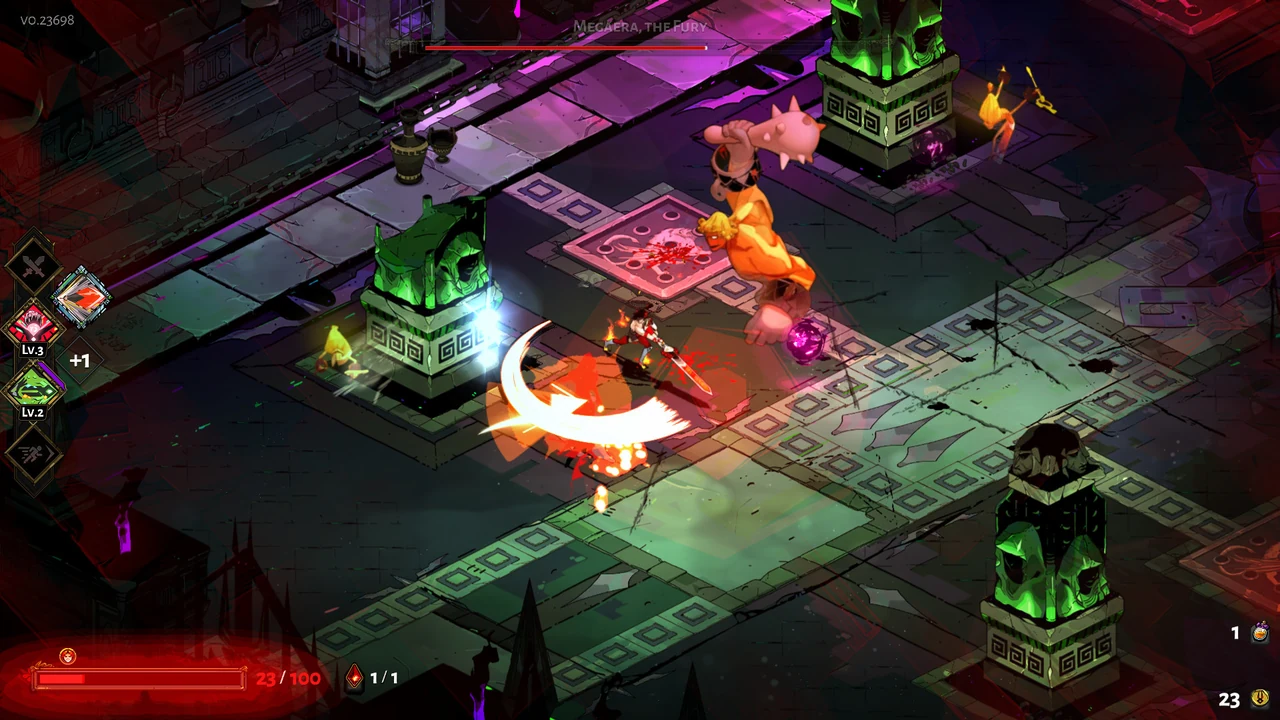
The Olympian gods reach Zagreus through boons, giving a combat choice a characterful voice. Their personalities and connections make the process of building a run feel like participation in a wider family argument. Encounters with figures such as Megaera and Thanatos further blur the boundary between obstacles, allies and people with their own expectations. Gifts and conversations deepen those relationships over repeated visits, while the Infernal Arms make each escape attempt feel physically different. The story benefits from that flexibility. You can pursue a particular relationship without needing every run to follow the same combat plan. Hades makes narrative continuity durable enough to survive changing weapons, unsuccessful attempts and the irregular pace at which a player becomes comfortable with the journey.
The story moves through repeated work
Readers attracted by the characters should still expect to fight through familiar regions many times. New dialogue changes the meaning of returning, but it does not remove the mechanical repetition. Some relationship developments also depend on events occurring across several attempts, so a particular thread may advance less directly than a conventional quest. The game is generous with voices and personality, yet it remains an action roguelite that asks for movement, awareness and persistence. If combat is merely an obstacle between conversations, that structure can become tiring. The important distinction is whether the repetition feels like a setting in which relationships grow or a delay imposed on the story. Hades makes an unusually persuasive case for the former, but the underlying demand remains substantial.
An ongoing conversation disguised as an escape
Choose Hades when you want character development to accompany an activity you are happy to repeat. Its strongest narrative achievement is making small conversations feel cumulative: a brief remark can matter because you remember the last exchange and the circumstances around it. The household becomes familiar without becoming static, while the broader family gives the escape a meaning beyond reaching a final doorway. This makes it a particularly good fit for players who enjoy stories in instalments. A more linear adventure will suit anyone who wants to follow one thread to its conclusion with few interruptions. Here, the pleasure is returning to a known place and discovering that the people in it still have something new to reveal about themselves and about Zagreus.
The verdict
A remarkably effective character story built from returns, with a familiar household that keeps finding new things to say.
Reasons to play
- Failed escapes still develop relationships
- Boons give the wider family a voice
- Short conversations accumulate meaning
Reasons to think twice
- Narrative progress requires repeated action runs
- Some relationship threads advance indirectly
See the game
Assist & accessibility
Parents’ guide
Players: Single-player. No in-game purchase marker in the checked Steam listing. Separate downloadable content may be sold.
Age classification: 12. Nintendo Switch edition; not a separate PC classification
A useful starting tip
Choose boons that support the weapon and effects already defining the run, rather than treating each offered power as an isolated upgrade.
A different direction
Compare this with Inscryption: An unsettling mystery that makes the card table, the room and the game's own presentation active parts of its storytelling.
Official sources
Reviewed: November 2026
You might also like
 Baldur's Gate 3Read review →
 Clair Obscur: Expedition 33Read review →
 Persona 5 RoyalRead review →