THE FINAL WORD / EDITORIAL REVIEW
Inscryption
An unsettling mystery that makes the card table, the room and the game's own presentation active parts of its storytelling.
Game facts
- Developer
- Daniel Mullins Games
- Publisher
- Devolver Digital
- Released
- 19 October 2021
- Platforms
- Windows · macOS · Linux (Steam edition)
- Model
- Paid game
- PEGI
- 16 — Nintendo Switch edition; not a separate PC classification
- Players
- Single-player
- Length
- Medium
- Difficulty
- 2 / 5 · Moderate
- Steam Deck
- Playable
PEGI source ↗ · Steam Deck status source ↗
Edition: Base game
The score, explained
The interest and responsiveness of the core decisions and actions.
How progression, exploration and goals fit together.
The coherence of the visual, musical and narrative presentation.
How clearly the game explains its rules and offers useful ways to engage.
The depth of optional goals, alternative approaches and reasons to return.
An opponent who seems to know the whole story
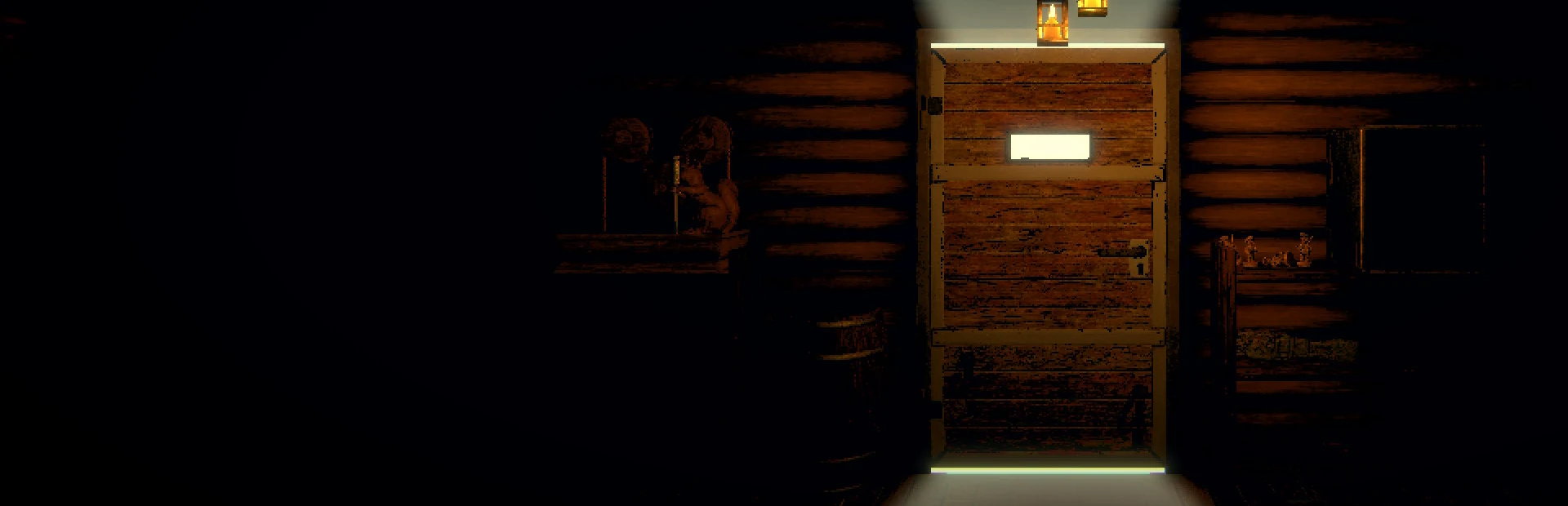
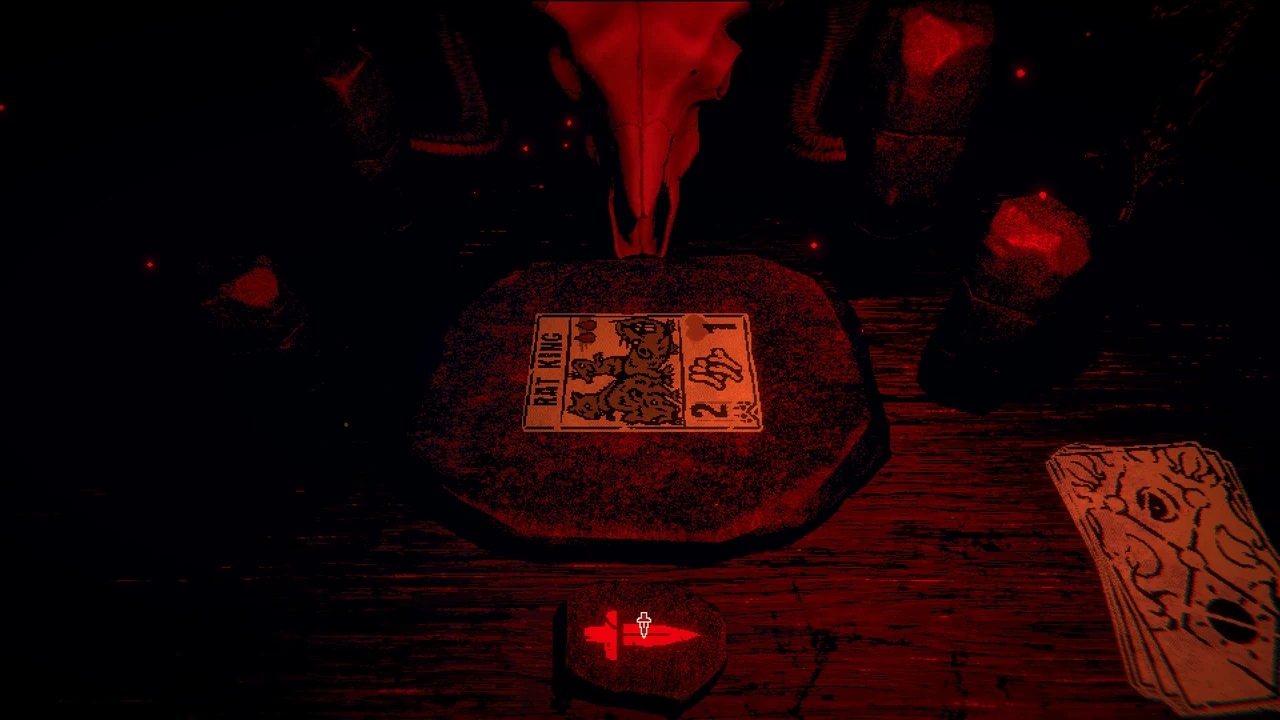
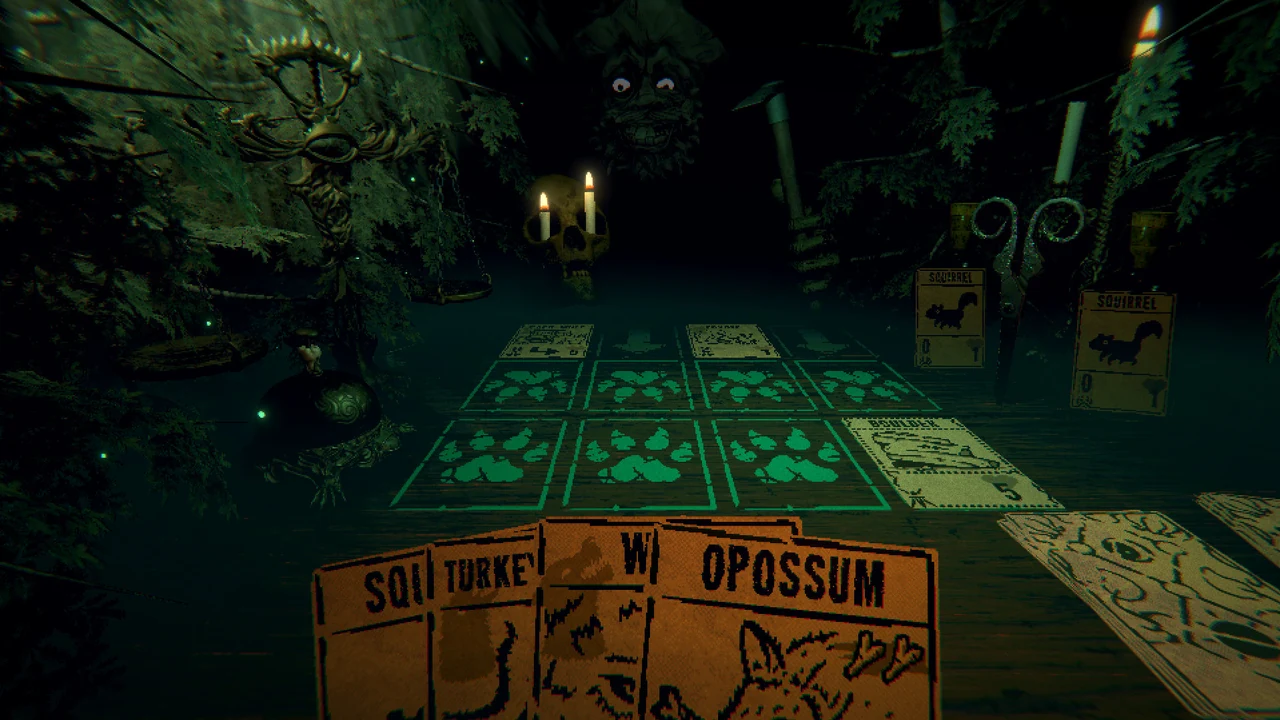
Inscryption's opening cabin creates an immediate imbalance. You are learning the card game while the figure across the table appears to understand the room, the rules and the reason you are there. That uncertainty gives even a small victory an uneasy quality. The cards have disturbing details, and objects beyond the table suggest that the apparent contest is only part of the situation. For a story-focused player, the attraction is not simply the horror imagery. It is the feeling that every interface and prop might be carrying information about a larger narrative. The game invites you to treat its physical space as something to read, making observation and suspicion as important to the opening experience as winning the next hand.
The form becomes part of the mystery
The story does not remain confined to dialogue between card battles. Changes in presentation and perspective become clues about what kind of experience the player is actually participating in. That makes Inscryption particularly difficult to describe fully without weakening its effect. What can be said safely is that the card system, the cabin puzzles and the wider framing are designed to alter one another's meaning. A familiar object can become significant after a later revelation, while an apparent rule can turn out to belong to a more limited context. The narrative pleasure comes from revising an interpretation as new evidence appears. This is a game for readers who enjoy noticing how a story is being delivered, not only following the events it describes.
Its disruptions can unsettle more than the mood
Inscryption deliberately interrupts familiarity, and not every player will welcome each change equally. Someone who enjoys the opening's atmosphere and card mechanics may wish the game stayed with them longer. The disturbing imagery and threat also make it a poor choice for a relaxing mystery. Progress requires engagement with deckbuilding and puzzles, so the story cannot simply be watched unfold without mechanical participation. Some discoveries depend on noticing details that are easy to overlook while concentrating on the table. These are meaningful demands rather than incidental inconveniences. The game works best when uncertainty about its structure feels exciting. If you prefer a stable genre and a clearly signposted narrative path, its surprises may feel like interruptions to the experience you hoped to have.
Let curiosity lead the first journey
The strongest recommendation for Inscryption is to begin with as little plot information as practical and remain attentive to the way the game presents itself. Its unsettling cabin is an effective invitation, but the narrative value lies in how that initial understanding develops. Choose it if you enjoy mysteries that make interfaces, objects and shifts of form part of their storytelling. The card battles provide necessary resistance, giving discoveries a context of effort and risk. Readers who mainly want character relationships or conventional dialogue choices should look elsewhere. This is a more experimental kind of narrative pleasure: the satisfaction of realising that something treated as background, decoration or a simple rule was quietly participating in the story all along.
The verdict
An unsettling mystery that makes the card table, the room and the game's own presentation active parts of its storytelling.
Reasons to play
- Environmental details invite interpretation
- Changes of form deepen the mystery
- Mechanical effort gives discoveries context
Reasons to think twice
- The story disrupts familiar systems deliberately
- Horror imagery and uncertainty remain prominent
See the game
Assist & accessibility
Explore the available settings and control options on the official game page before choosing your setup.
Parents’ guide
Players: Single-player. No in-game purchase marker in the checked Steam listing. Separate downloadable content may be sold.
Age classification: 16. Nintendo Switch edition; not a separate PC classification
A useful starting tip
When the card table stops giving you useful ideas, inspect the surrounding room and reconsider what counts as part of the game.
A different direction
Compare this with Hades: A remarkably effective character story built from returns, with a familiar household that keeps finding new things to say.
Official sources
Reviewed: November 2026
You might also like
 Baldur's Gate 3Read review →
 Clair Obscur: Expedition 33Read review →
 HadesRead review →