
THE FINAL WORD / EDITORIAL REVIEW
Metaphor: ReFantazio
An ambitious party adventure that connects political hope to the practical work of travelling with and listening to people.
Game facts
- Developer
- ATLUS
- Publisher
- SEGA
- Released
- 10 October 2024
- Platforms
- Windows (Steam edition)
- Model
- Paid game
- PEGI
- 16 · Violence — Steam UK listing
- Players
- Single-player
- Length
- Epic
- Difficulty
- 3 / 5 · Party and resource planning; different combat modes demand different decisions
- Steam Deck
- Playable
PEGI source ↗ · Steam Deck status source ↗
Edition: Base game
The score, explained
The interest and responsiveness of the core decisions and actions.
How progression, exploration and goals fit together.
The coherence of the visual, musical and narrative presentation.
How clearly the game explains its rules and offers useful ways to engage.
The depth of optional goals, alternative approaches and reasons to return.
A political journey built around a party
Metaphor: ReFantazio begins with a kingdom facing a crisis of succession, then places its protagonist inside a contest over what leadership should mean. The fantasy setting makes prejudice, status and public expectation visible through the organisation of everyday life. Travelling with companions gives those large questions a more personal scale. Different people have different reasons to distrust the existing order or hope for another one, so the party is more than a convenient collection of combat roles. For this catalogue, the strongest opening quality is that relationship between a public mission and private experience. The journey has an overt political destination, but its emotional interest comes from the people who must decide whether that destination offers a future they can believe in.
The schedule makes ideals compete with needs
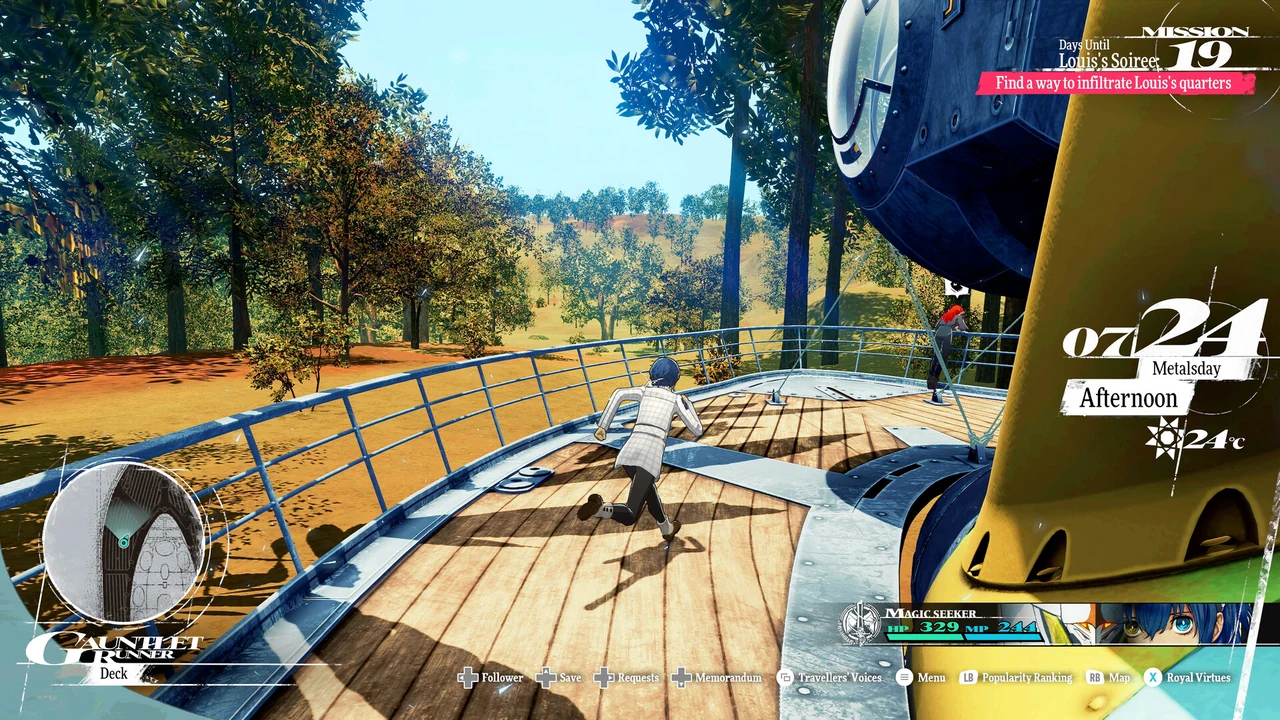
Travel, dungeon preparation and time spent with followers all require attention. That structure gives the campaign's ideals practical friction: helping a person, developing a skill and pursuing the next major objective cannot always happen simultaneously. Archetypes connect character development to combat, while the party's conversations and relationships give the mechanical choices a social context. The gauntlet runner provides a recurring shared space between destinations, allowing the journey to feel like life with a group rather than a sequence of unrelated missions. The game is most effective when these layers support one another. A companion's concerns make an abstract political problem specific, and the effort of preparing for the next stage gives the group's ambitions a sense of work rather than effortless declaration.
The message is often spoken directly
Metaphor's themes are central enough that the writing frequently states them rather than leaving every implication for the player to infer. That clarity can make the story forceful, but readers who favour understatement may find some exchanges emphatic. The calendar and substantial combat systems also mean that pursuing the narrative involves planning and repeated battles. A player interested only in the political premise should understand that this remains a full party RPG with significant mechanical demands. Its fantasy vocabulary asks for attention too, particularly while the setting and social order are being established. The recommendation is strongest when you enjoy a story that argues openly about its concerns and are willing to explore those concerns through the everyday responsibilities of managing a travelling group.
For a story about the work of change
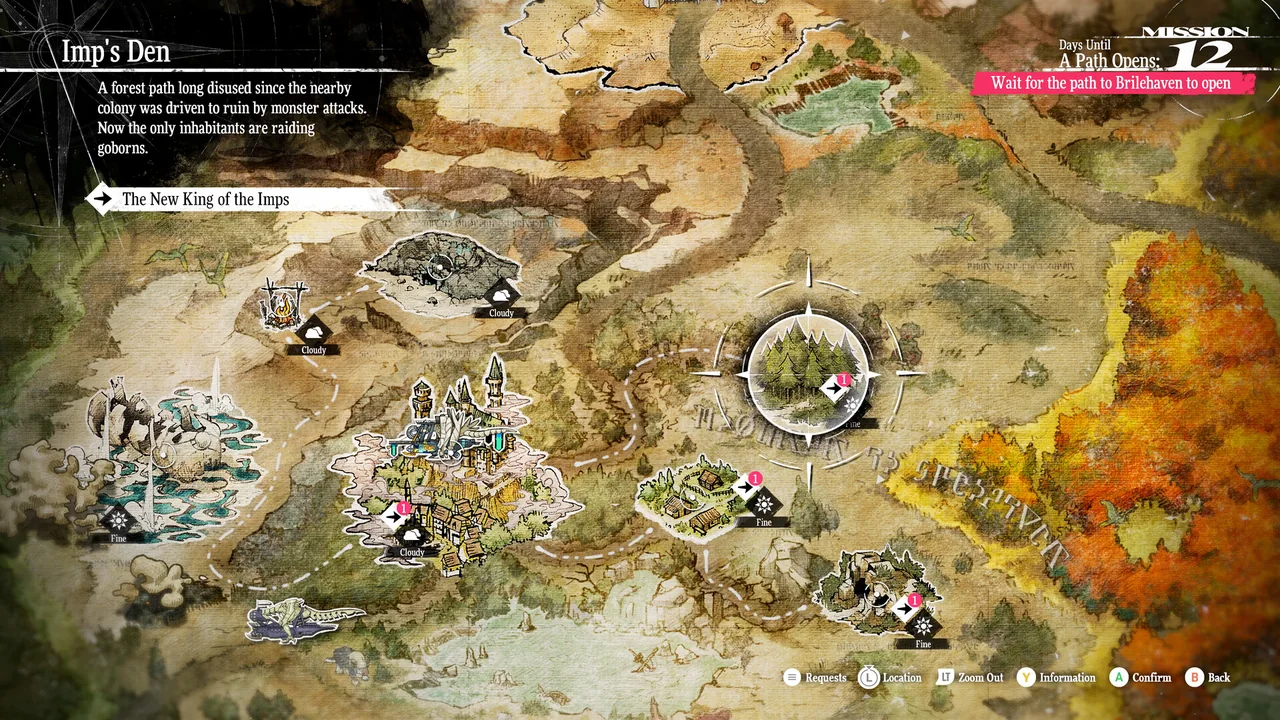
Choose Metaphor: ReFantazio if you want a party adventure whose larger questions remain connected to the treatment of individual people. The campaign's movement through different places lets the kingdom's problems appear in more than one form, while the recurring companions provide continuity. It suits players who enjoy social development alongside turn-based strategy and can accept a deliberate schedule of preparation, travel and conversation. A more compact narrative will be a better choice for someone impatient with systems between major scenes. The distinctive appeal here is the attempt to make political hope a practical undertaking. The party must keep travelling, learning and responding to people, so the prospect of a different future is carried by repeated decisions rather than by one heroic speech alone.
The verdict
An ambitious party adventure that connects political hope to the practical work of travelling with and listening to people.
Reasons to play
- Companions give public themes a personal scale
- The schedule creates meaningful competing needs
- Travel provides a recurring shared setting
Reasons to think twice
- Themes are often stated directly
- Substantial combat separates major story developments
See the game
Assist & accessibility
Parents’ guide
Players: Single-player. No in-game purchase marker in the checked Steam listing. Separate downloadable content may be sold.
Age classification: 16. Violence Steam UK listing
A useful starting tip
Plan a dungeon visit around the calendar and use Archetypes to cover different weaknesses across the party.
A different direction
Compare this with Sea of Stars: Sunset Edition: A warmly presented party adventure whose strongest appeal is the cohesion of its companionship, movement and illustrated world.
Official sources
Reviewed: November 2026
You might also like
 Baldur's Gate 3Read review →
 Clair Obscur: Expedition 33Read review →
 HadesRead review →