
THE FINAL WORD / EDITORIAL REVIEW
GRIS
A coherent visual journey whose colour, movement and music offer emotional meaning without settling every interpretation.
Game facts
- Developer
- Nomada Studio
- Publisher
- Devolver Digital
- Released
- 13 December 2018
- Platforms
- Windows · macOS (Steam edition)
- Model
- Paid game
- PEGI
- 7 — Nintendo Switch edition; not a separate PC classification
- Players
- Single-player
- Length
- Short
- Difficulty
- 2 / 5 · Approachable
- Steam Deck
- Verified
PEGI source ↗ · Steam Deck status source ↗
Edition: Base game
The score, explained
The interest and responsiveness of the core decisions and actions.
How progression, exploration and goals fit together.
The coherence of the visual, musical and narrative presentation.
How clearly the game explains its rules and offers useful ways to engage.
The depth of optional goals, alternative approaches and reasons to return.
An emotional journey without a spoken explanation
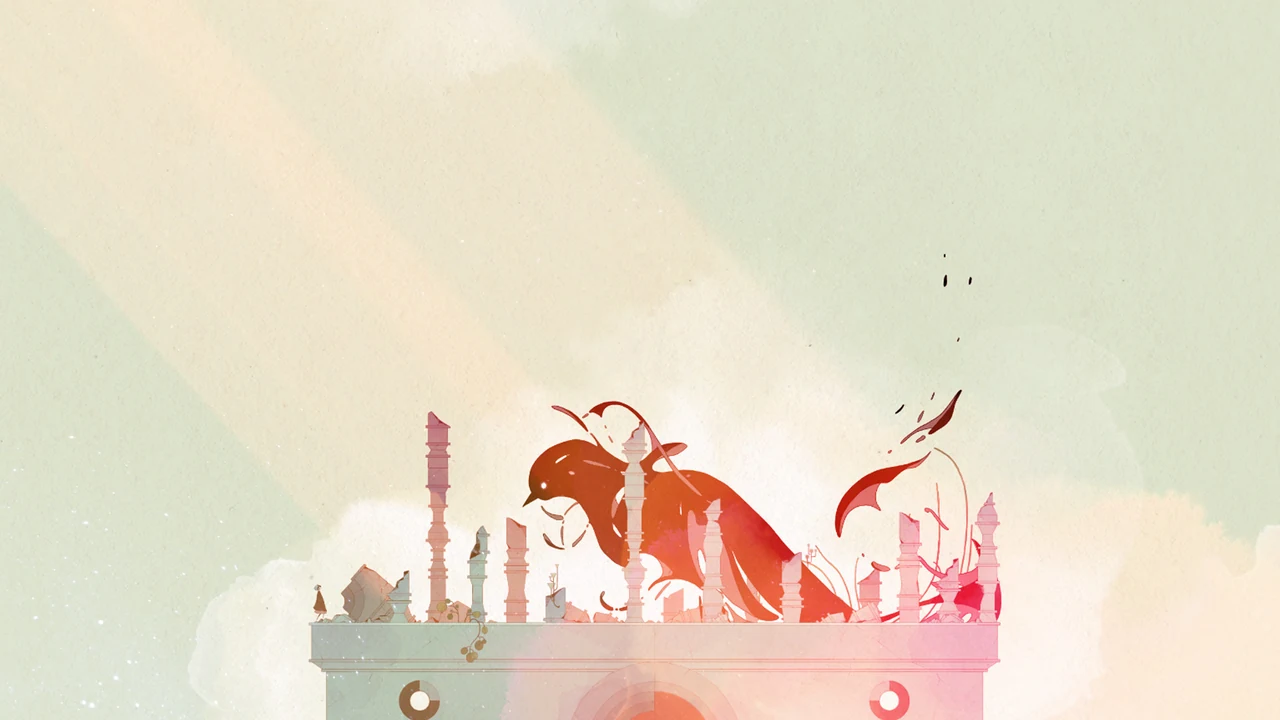
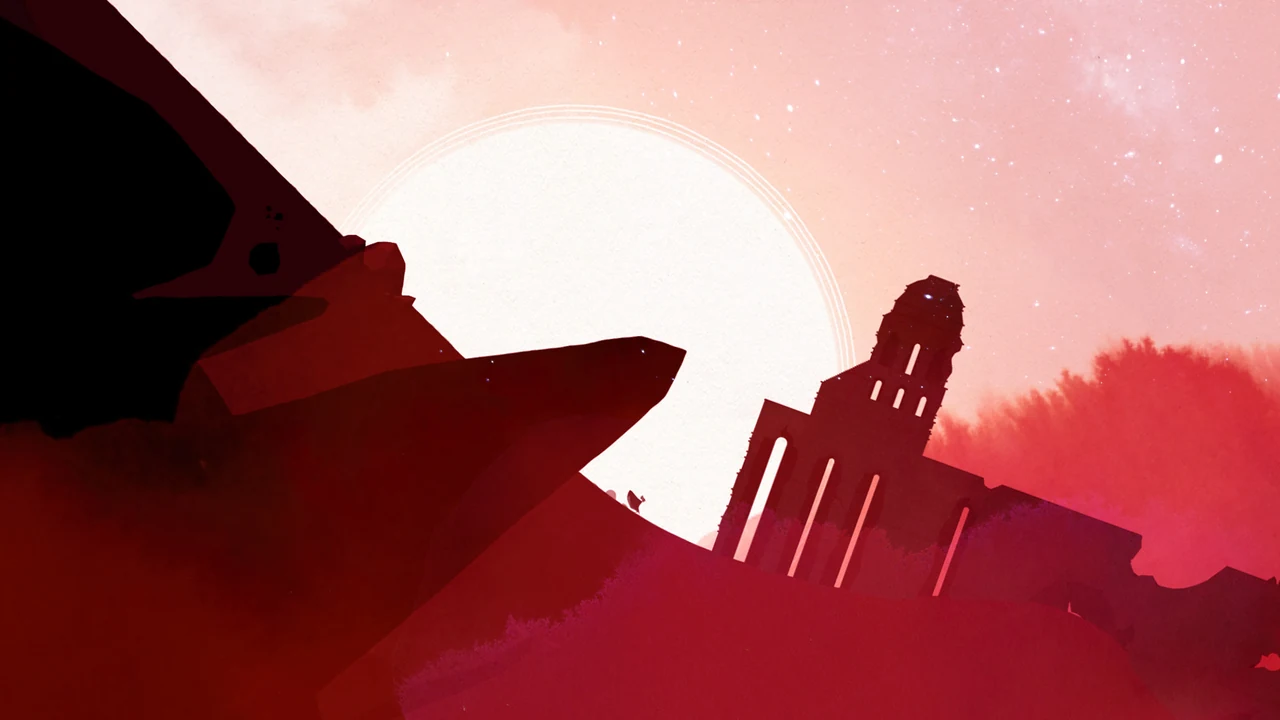
GRIS follows a young woman through a world whose changing colour and architecture express more than conventional dialogue would. The opening establishes vulnerability through movement, scale and sound, then asks the player to continue through landscapes that gradually become more varied. Because the game does not explain its central emotions in ordinary conversation, the relationship between a place and an action becomes especially important. A difficult climb, a sudden change in the environment or a pause before moving onward can carry the meaning of a scene. For Story Path Catalog, the attraction is a narrative that leaves interpretive space around its images. The player is not choosing a different plot, but participating physically in the movement of an emotional experience that remains deliberately open to personal reading.
New abilities give change a physical form
As the journey progresses, Gris gains ways to interact with the world that alter how earlier forms of vulnerability are understood. A movement ability is useful for solving a platforming problem, but it also becomes part of the game's language of change. Colour returns in stages, and the environments respond with new textures, creatures and architectural ideas. The music helps connect those developments without needing a spoken account of what each one represents. The result is strongest when the player lets an action and an image exist together before assigning a fixed interpretation. A platforming sequence can be both a practical obstacle and a way of experiencing the character's changing relationship to the world, giving the journey meaning through participation rather than explanation.
The openness can feel emotionally distant
GRIS offers relatively little concrete biography, dialogue or social context for its protagonist. That restraint allows broad interpretation, but it can also make the emotional journey feel more like a beautiful suggestion than a fully developed character study. The platforming and puzzles are generally used to support the presentation rather than to provide sustained mechanical complexity. Players seeking a demanding action game may therefore find the interactions too modest, while readers who prefer explicit dramatic situations may want more detail about the person at the centre. These limits are closely connected to the game's chosen form. Its success depends on whether visual and musical expression can carry enough meaning for you without the clarifying structure of conversations, named conflicts and a conventional account of cause and consequence.
Choose it for an expressive change of pace
GRIS is a strong fit when you want to experience a story through colour, movement and music rather than through a large amount of reading. Its relatively focused structure makes room for attention to individual scenes, and the absence of conventional combat keeps that attention on the journey's changing mood. It is a useful contrast to the dialogue-heavy adventures in this collection. Choose it if you are comfortable with symbolism and with an emotional interpretation that the game does not fully settle for you. Players wanting extensive choices, party relationships or complex progression should choose another direction. The value is in the coherence of the experience: the world changes, the character gains ways to move within it, and those two developments feel meaningfully connected.
The verdict
A coherent visual journey whose colour, movement and music offer emotional meaning without settling every interpretation.
Reasons to play
- Abilities give change a physical expression
- Scenes leave space for personal interpretation
- Music connects the visual progression
Reasons to think twice
- Limited biography can create emotional distance
- Mechanical challenge remains restrained
See the game
Assist & accessibility
Explore the available settings and control options on the official game page before choosing your setup.
Parents’ guide
Players: Single-player. No in-game purchase marker in the checked Steam listing. Separate downloadable content may be sold.
Age classification: 7. Nintendo Switch edition; not a separate PC classification
A useful starting tip
When a new ability appears, look again at the shape and movement of the environment before searching for an explicit instruction.
A different direction
Compare this with Neva: An expressive companion journey that finds its strongest story in the changing responsibility of travelling together.
Official sources
Reviewed: November 2026
You might also like
 Baldur's Gate 3Read review →
 Clair Obscur: Expedition 33Read review →
 HadesRead review →